A Hidden Gem in the Heart of Khotokha Valley
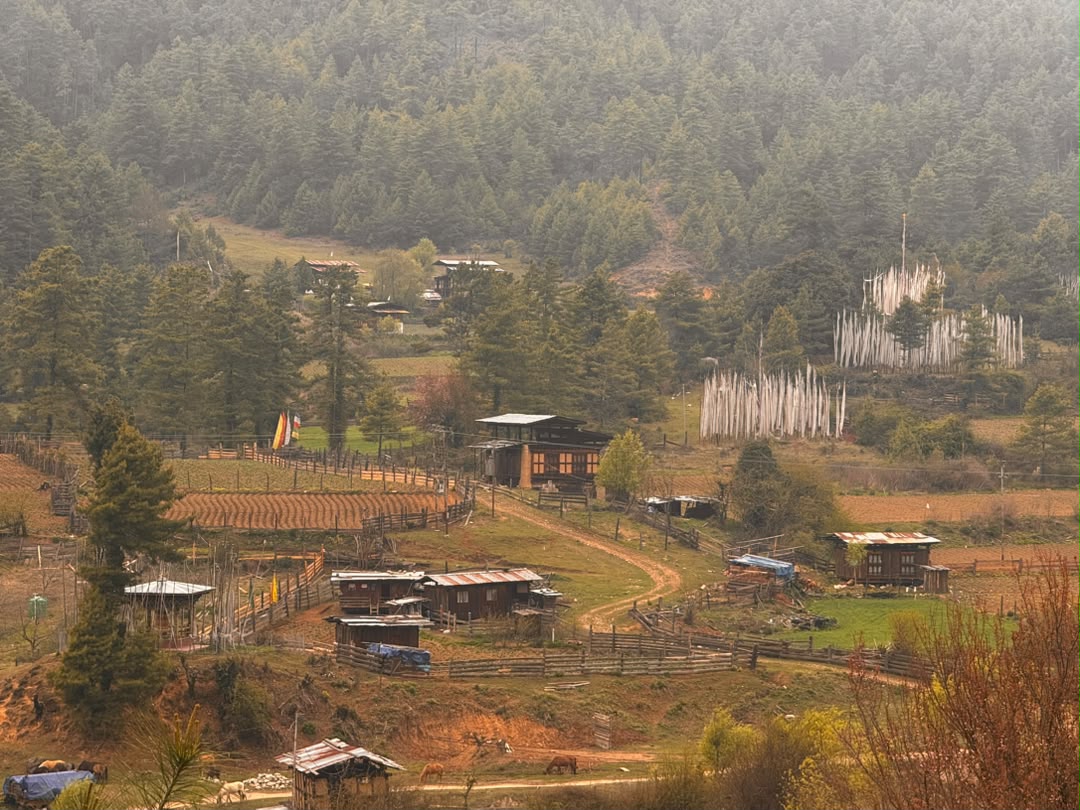
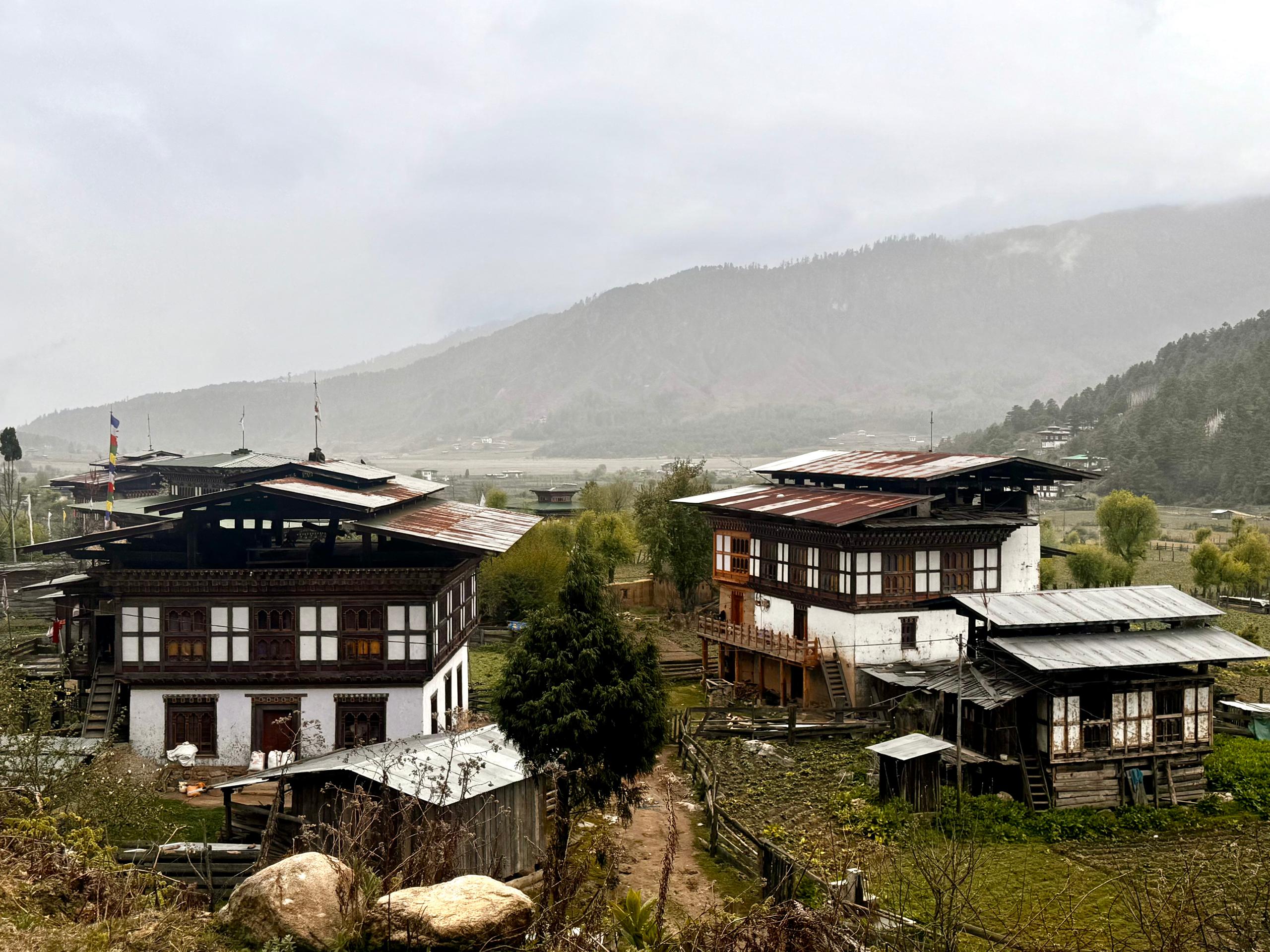
Hidden in the tranquil embrace of Khotokha Valley in Wangdue Phodrang District, Rinchenling Shedra is more than just a monastery—it is a place where centuries of Buddhist wisdom continue to shape daily life. Surrounded by sweeping mountain views and verdant fields in the heart of Sha-Khotokha, on the border of Bjena and Rubisa Gewogs, the monastery offers an enriching experience for pilgrims, cultural enthusiasts, and travellers seeking peace away from the bustle of modern life
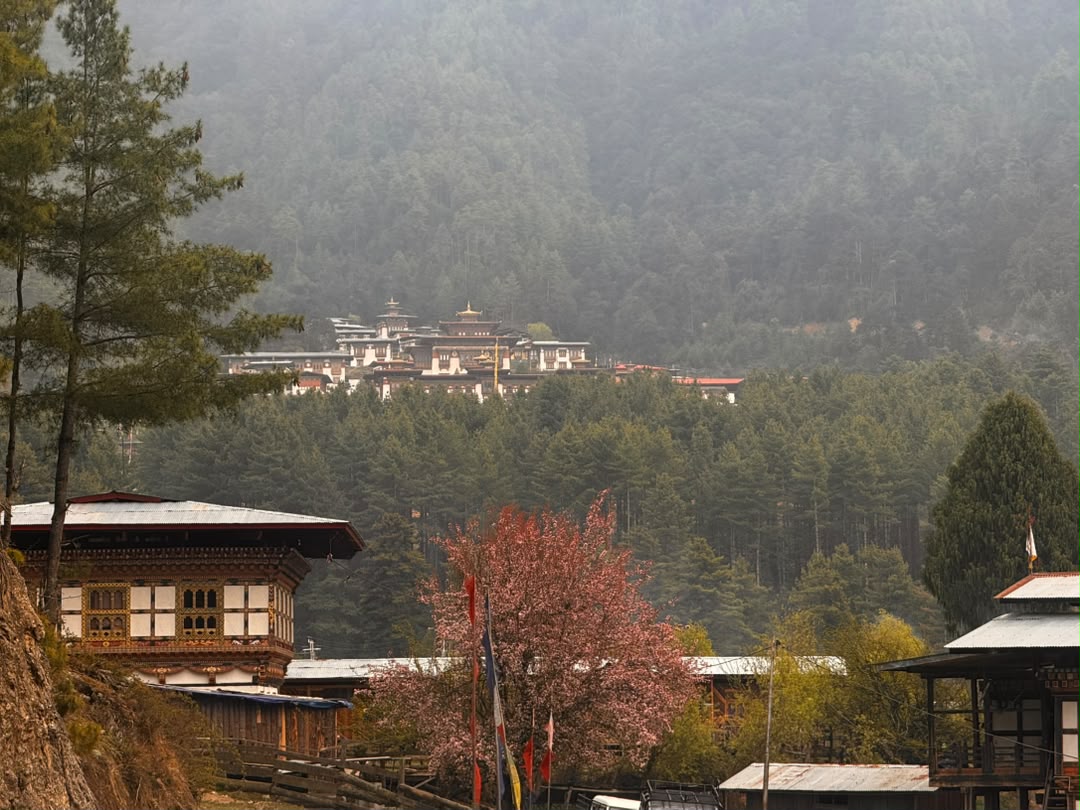
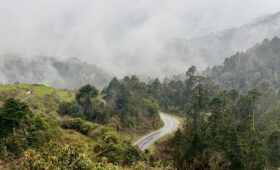
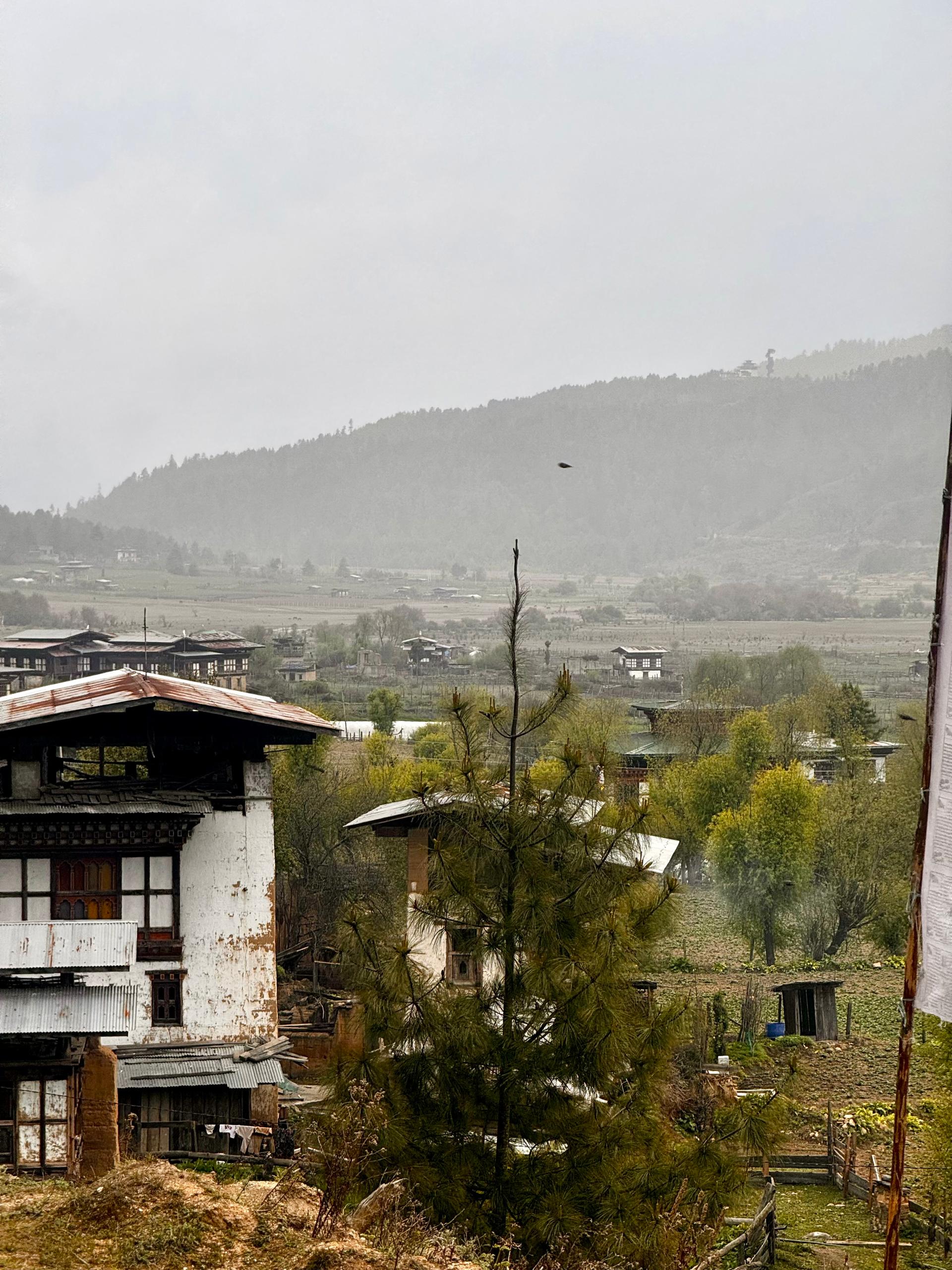
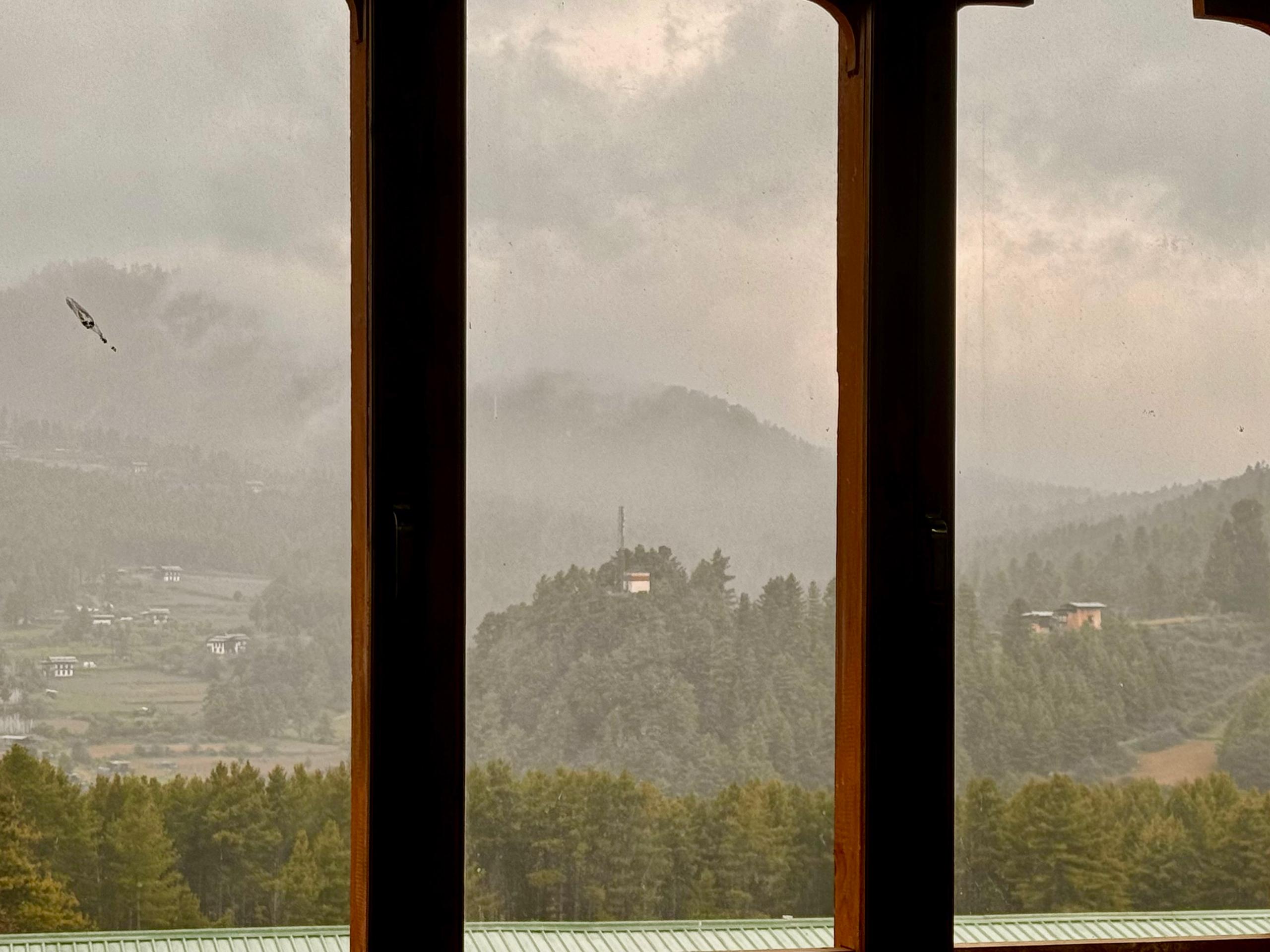
Situated at an altitude of approximately 2,770 metres, Rinchenling Shedra is about a four-hour drive from Thimphu. The journey itself is rewarding, passing through picturesque landscapes before arriving in Khotokha, a valley renowned for its pristine environment and seasonal visits by the graceful black-necked cranes during winter. The serenity of the valley perfectly complements the spiritual atmosphere of the monastery.
A Living Centre of Buddhist Learning
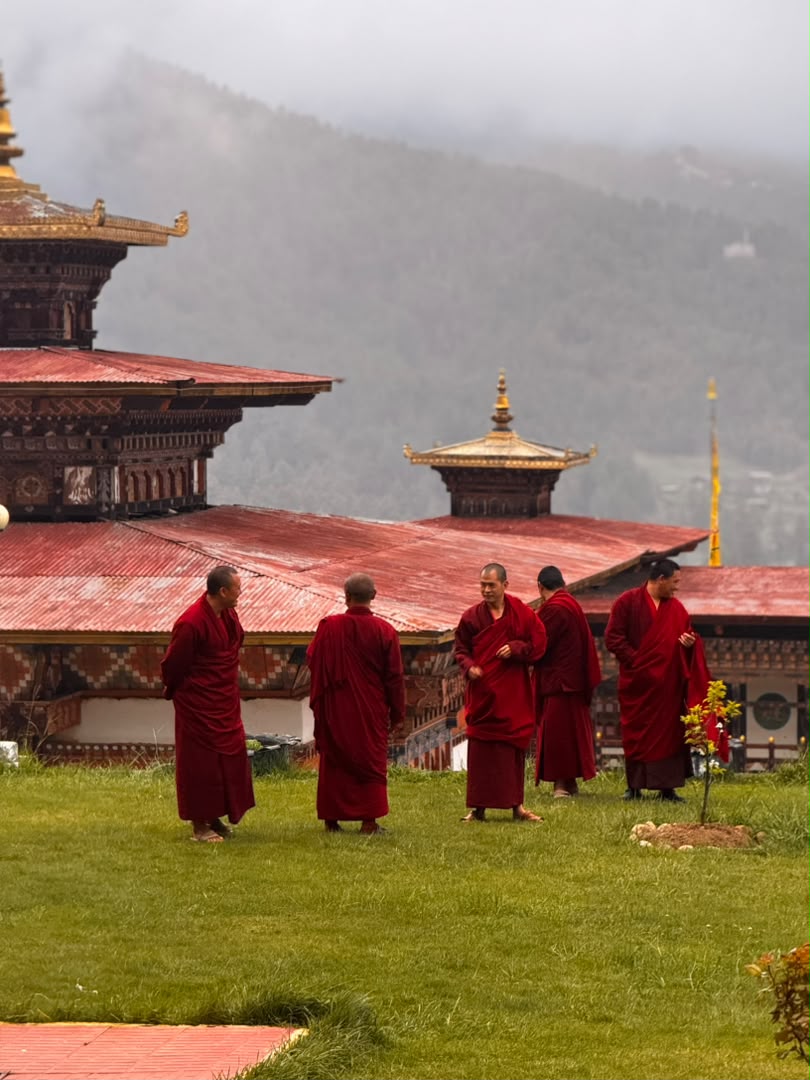
Rinchenling is a shedra—a Buddhist monastic college where monks dedicate themselves to the intensive study of Buddhist philosophy, logic, scriptures, debate, and meditation. Today, the institution is home to more than 300 monks and belongs to the Drukpa Kagyud tradition, one of Bhutan’s principal schools of Vajrayana Buddhism. While preserving ancient teachings, the shedra continues to nurture future Buddhist scholars and spiritual practitioners who will carry these traditions forward.
Rooted in Centuries of Sacred History
The roots of Rinchenling stretch back to the 13th and 14th centuries and are closely linked to the renowned Buddhist master Kuenkhen Longchen Rabjam Rinpoche (1308–1364), one of the most influential scholars in Himalayan Buddhism. The monastery is historically recognised as Khothag Rinchen-Ling, one of the sacred Eight Ling sites established by Longchen Rabjam on places considered spiritually significant. Alongside other revered centres such as Bumthang Tharpa-Ling and Pardo Samten-Ling, Rinchenling has remained an important destination for learning, meditation, and pilgrimage for generations. It is also a good place to visit for tourist visiting Bhutan for Spiritual tour
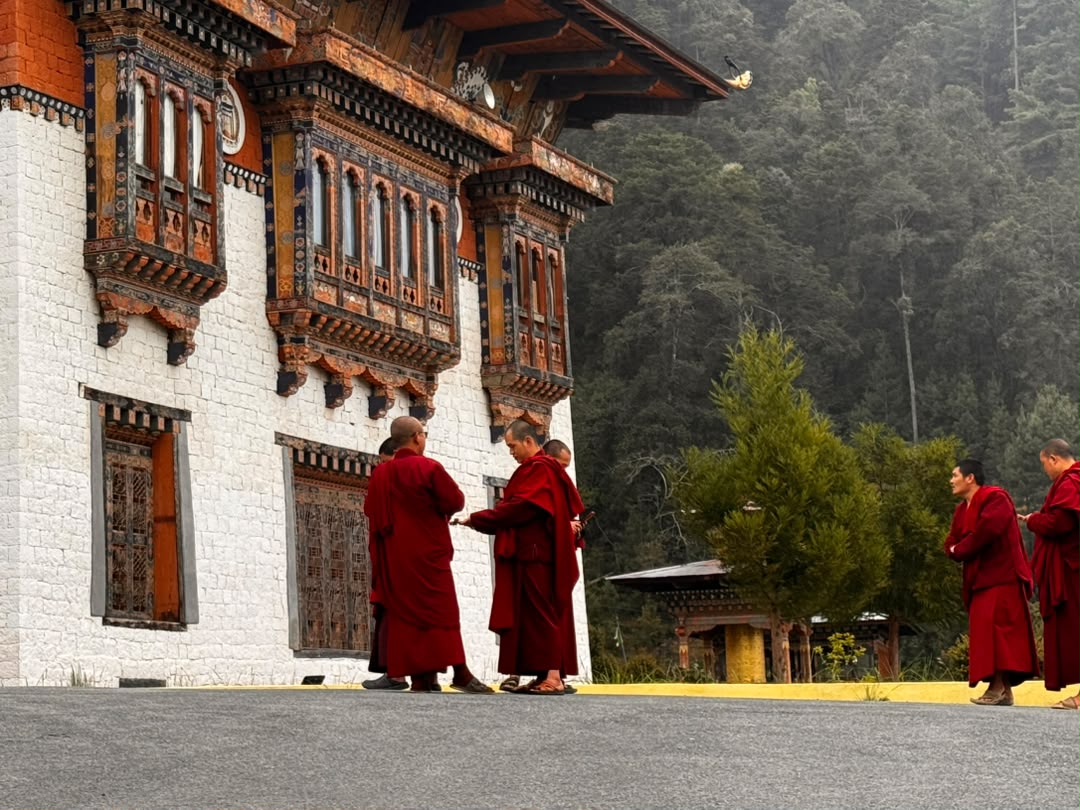
Although steeped in history, the monastery has continued to evolve with time. Renovation efforts led by the late Yangbi Lopen Chimi, a respected native of Rubisa, helped preserve this important spiritual institution. More recently, the construction of a Lamai Zhimchung further strengthened the monastery’s facilities while maintaining its traditional character.
Experiencing the Peace of Monastic Life
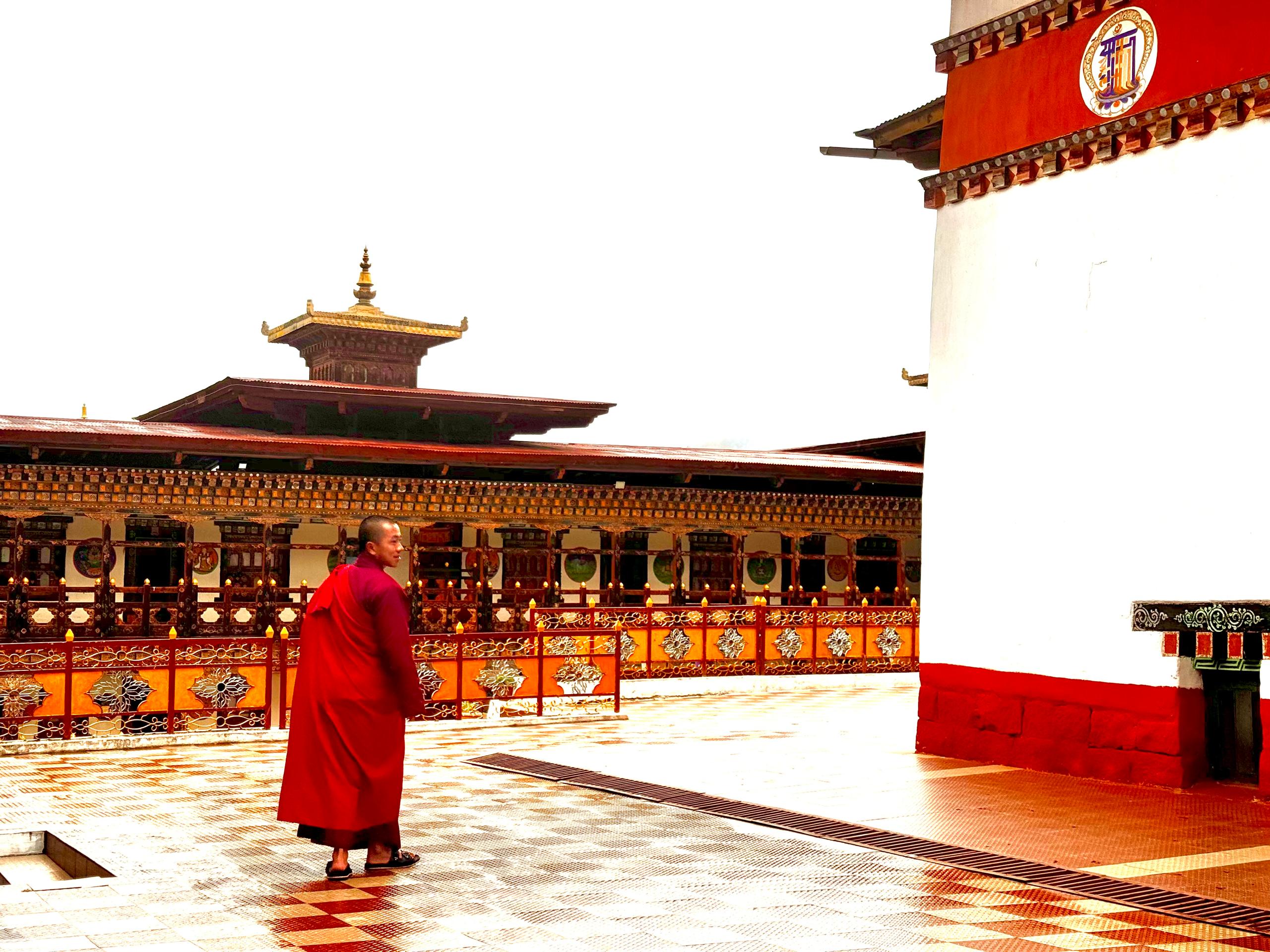
What makes Rinchenling truly special is not simply its history but the experience it offers. The monastery radiates a quiet sense of harmony where the soft echoes of prayer, the rhythm of daily rituals, and the sight of monks immersed in their studies create an atmosphere that encourages reflection and mindfulness. Unlike museums or historical monuments, Rinchenling is a living institution where Buddhist education and spiritual practice continue every day.
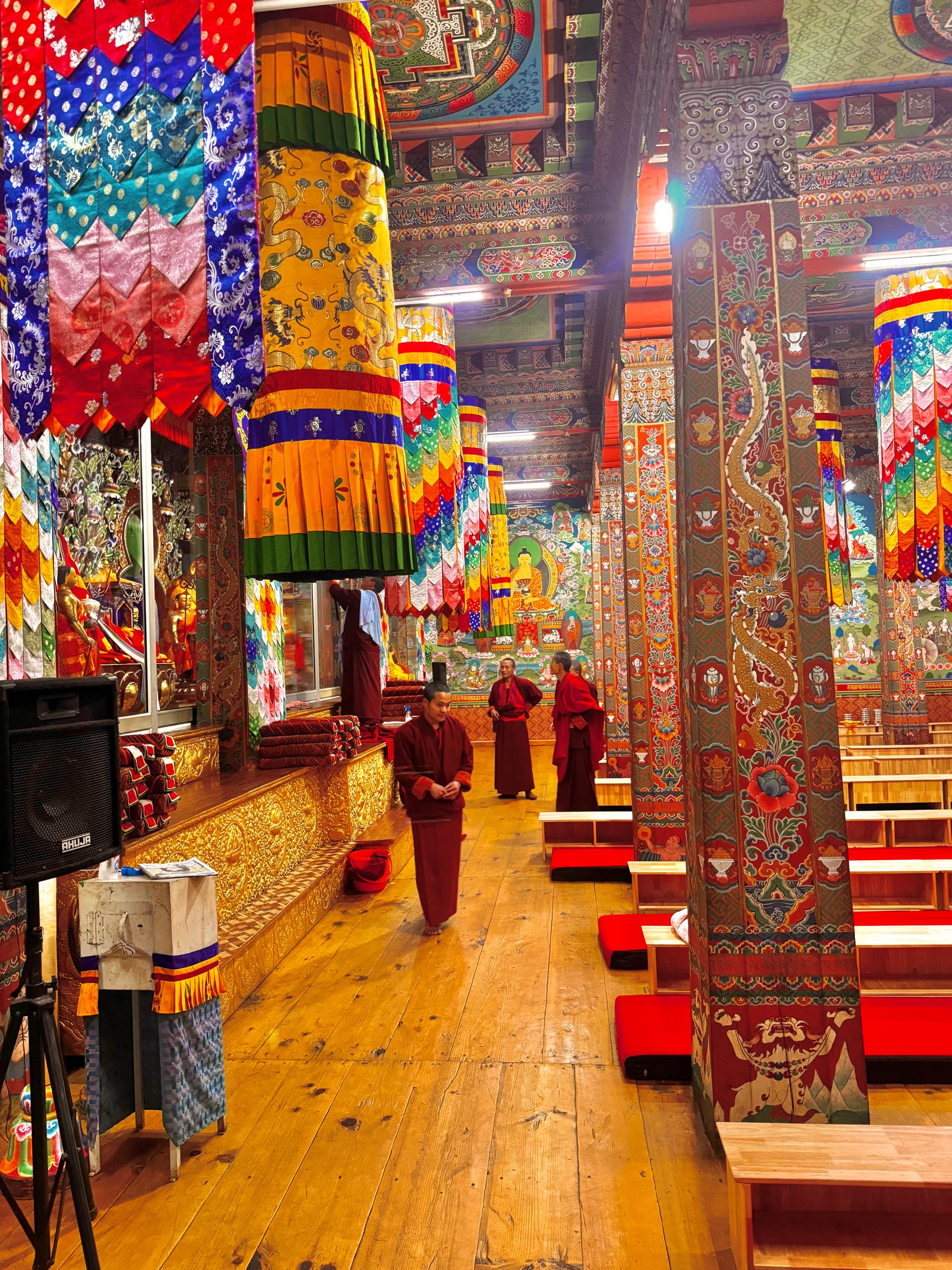
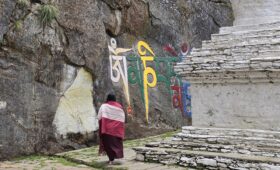
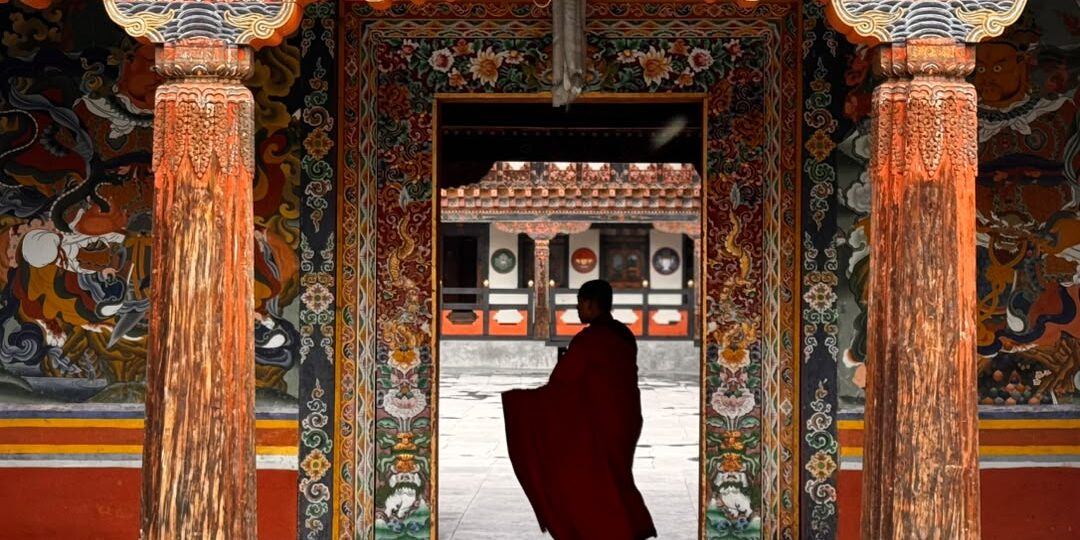
The monastery itself is a fine example of traditional Bhutanese architecture. Intricately carved wooden windows, colourful facades, sacred murals, prayer halls, and beautifully crafted stupas showcase the country’s rich artistic heritage.
Combined with panoramic views of the surrounding mountains and valley, the setting offers a memorable experience for photographers, nature lovers, and spiritual seekers alike.
Learn, Reflect and Connect
Visitors interested in learning more about Buddhism may have the opportunity to observe or participate in teachings on Buddhist philosophy, meditation, and traditional rituals, depending on the monastery’s schedule. Rinchenling is also an important pilgrimage destination where devotees come to offer prayers and seek blessings. Photography is generally welcomed, although visitors are encouraged to remain respectful, especially during prayers and teaching sessions.
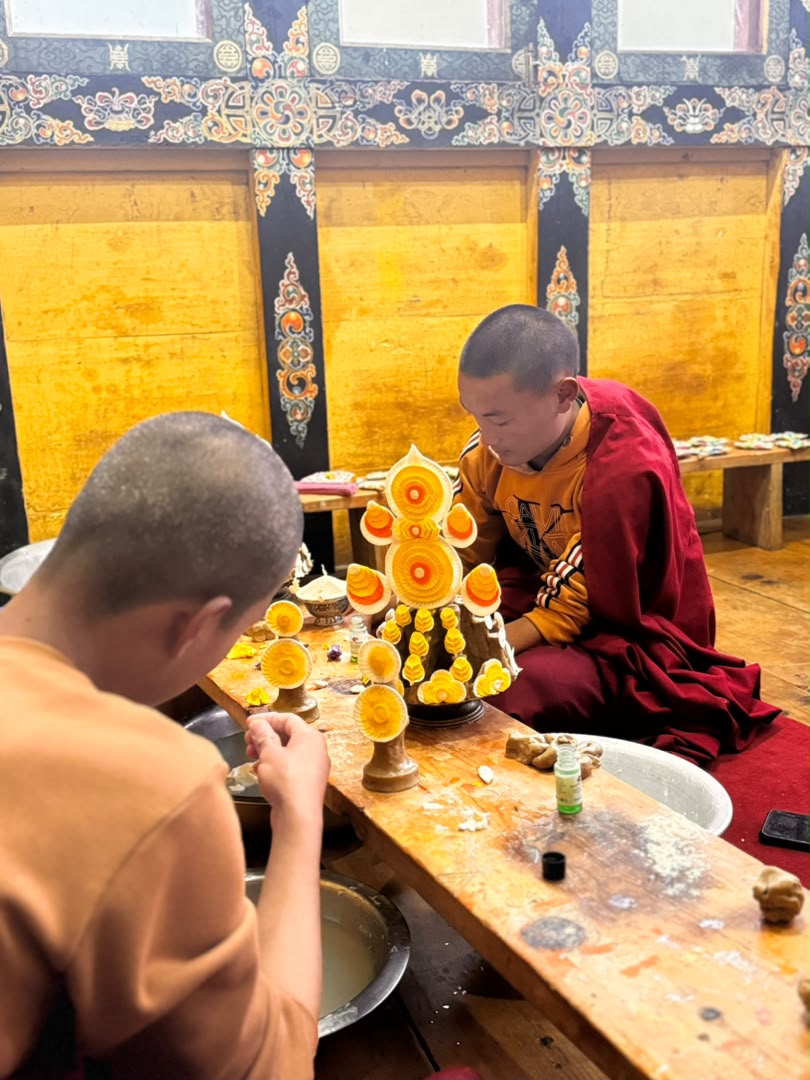
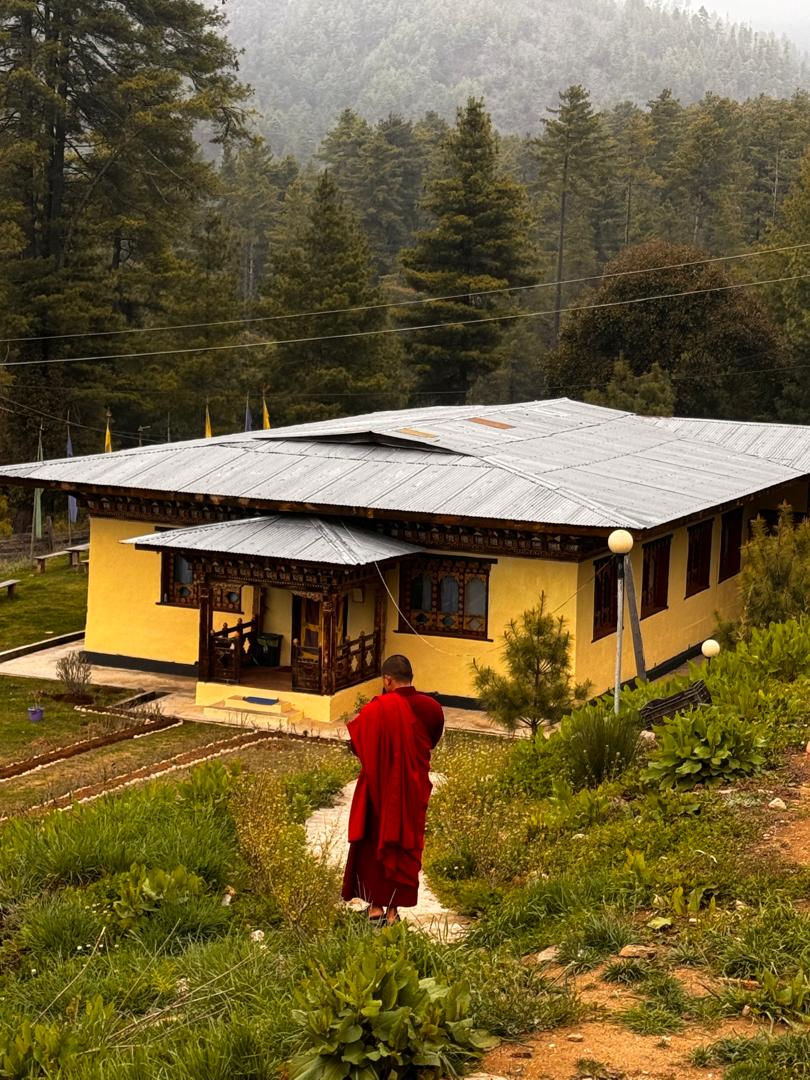
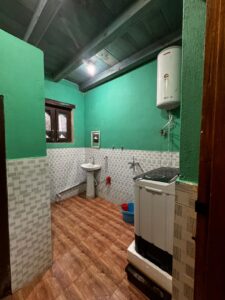
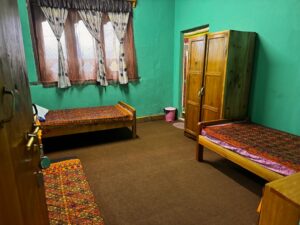
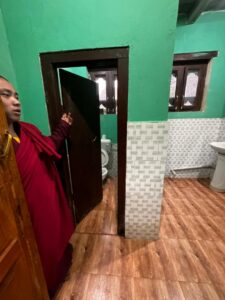
One of the unique experiences Rinchenling offers is the opportunity for visitors to spend a night or two within the monastery. Those wishing to gain a deeper appreciation of monastic life can, with prior arrangement, stay at the monastery and experience its peaceful daily routine. Guests can interact with the monks, observe their disciplined lifestyle, and enjoy moments of quiet contemplation in a truly authentic setting. While the accommodation is simple and basic, without the comforts of a hotel, it provides something far more valuable—an opportunity to disconnect from modern distractions and immerse oneself in Bhutan’s enduring spiritual traditions. For many visitors, this authentic experience becomes one of the most meaningful highlights of their journey.
Explore the Sacred Surroundings
The monastery is also surrounded by several sacred sites that further enrich a visit. Nearby attractions include Dolung Goemba, the meditation cave of Dechen Draphu, the sacred spring of Drubchhu of Yen Lag Geden, and the revered Drubchhu of Sa Karpo. Together, these sites form a spiritually significant landscape that reflects the region’s deep religious heritage.
For those planning a visit, weekdays generally offer a quieter atmosphere than weekends. There is currently no entrance fee, and formal guided tours are not available, allowing visitors to explore the monastery at a leisurely pace. Rinchenling Shedra can be reached by road via the Gyalsung Academy at Shelly Khotokha, while more adventurous travellers may choose the scenic one- to two-hour hike from Jala Village.
Rinchenling Shedra is not merely a destination to admire—it is a place to experience. Whether you come to appreciate its history, witness the rhythms of monastic life, seek spiritual inspiration, or simply enjoy the serenity of Khotokha Valley, the monastery leaves a lasting impression.
As one of the sacred Eight Ling sites founded by Longchen Rabjam, it continues to stand as a living testament to Bhutan’s enduring commitment to faith, learning, and cultural preservation. In a rapidly changing world, Rinchenling remains a gentle reminder that true richness often lies in simplicity, wisdom, and the quiet pursuit of inner peace.